




GS1 barcodes
Working with GS1 ensures your barcodes and unique numbers are accepted by major retailers and distributors worldwide.

What Are GS1 Barcodes?
Barcodes are symbols that can be scanned electronically using laser or image-based technology. They encode key identifiers such as products, shipments, and locations, along with attributes like serial numbers, batch numbers, and dates.
GS1 barcodes play a key role in supply chains, enabling retailers, manufacturers, transport providers, and hospitals to automatically identify and track products as they move through the supply chain.

Linear (1D) Barcodes
Linear barcodes use a series of variable-width lines and spaces to encode data. The most common example is the UPC code found on consumer goods.
- Encodes GTIN for product identification
- Fast and reliable scanning
- Common in retail environments
- Limited data capacity
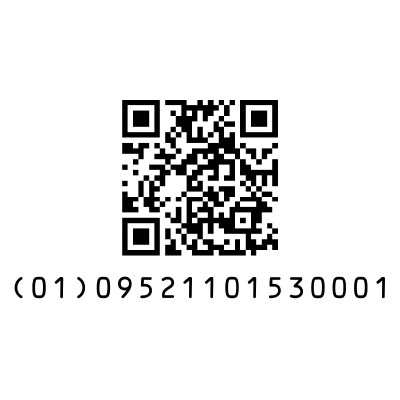
Two-Dimensional (2D) Barcodes
2D barcodes use patterns of squares, dots, or other shapes to encode data in two dimensions, allowing them to store more information while remaining compact.
- Stores GTIN, batch, serial number, expiry date
- Higher data capacity than 1D barcodes
- Can be scanned with smartphones
- Used in healthcare and traceability
